it is a finely ground flour of whole wheat berries. It is derived by grinding the whole grain of wheat. It is high in fiber and more healthy and nutritious than white flour.
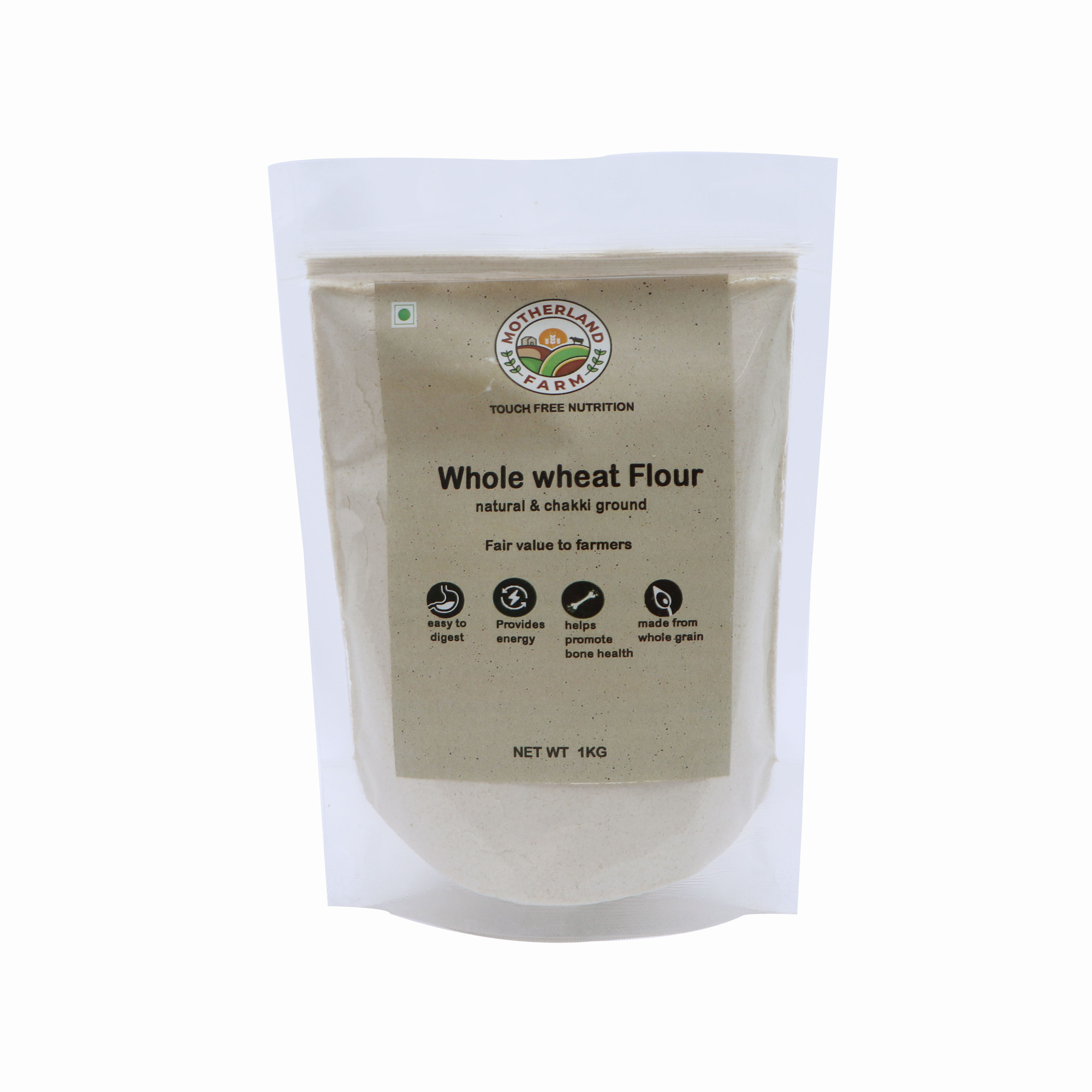
It is commonly used to make Indian flat breads like chappati, naan, puri etc. It is often used in baking breads and other items. It is often mixed with other varieties of flour in order to add some nutritional value and provide some texture. Whole wheat pastas are widely popular among health conscious consumers. It is also used to make pizza bases.
Nutritional ValueWhole wheat flour is also rich in vitamins B-1, B-3, and B-5, along with riboflavin and folate. It also has more iron, calcium, protein, and other nutrients than white flour. When you are eating a low-calorie diet plan, it's important that the calories you're consuming are loaded with as many nutrients as possible.
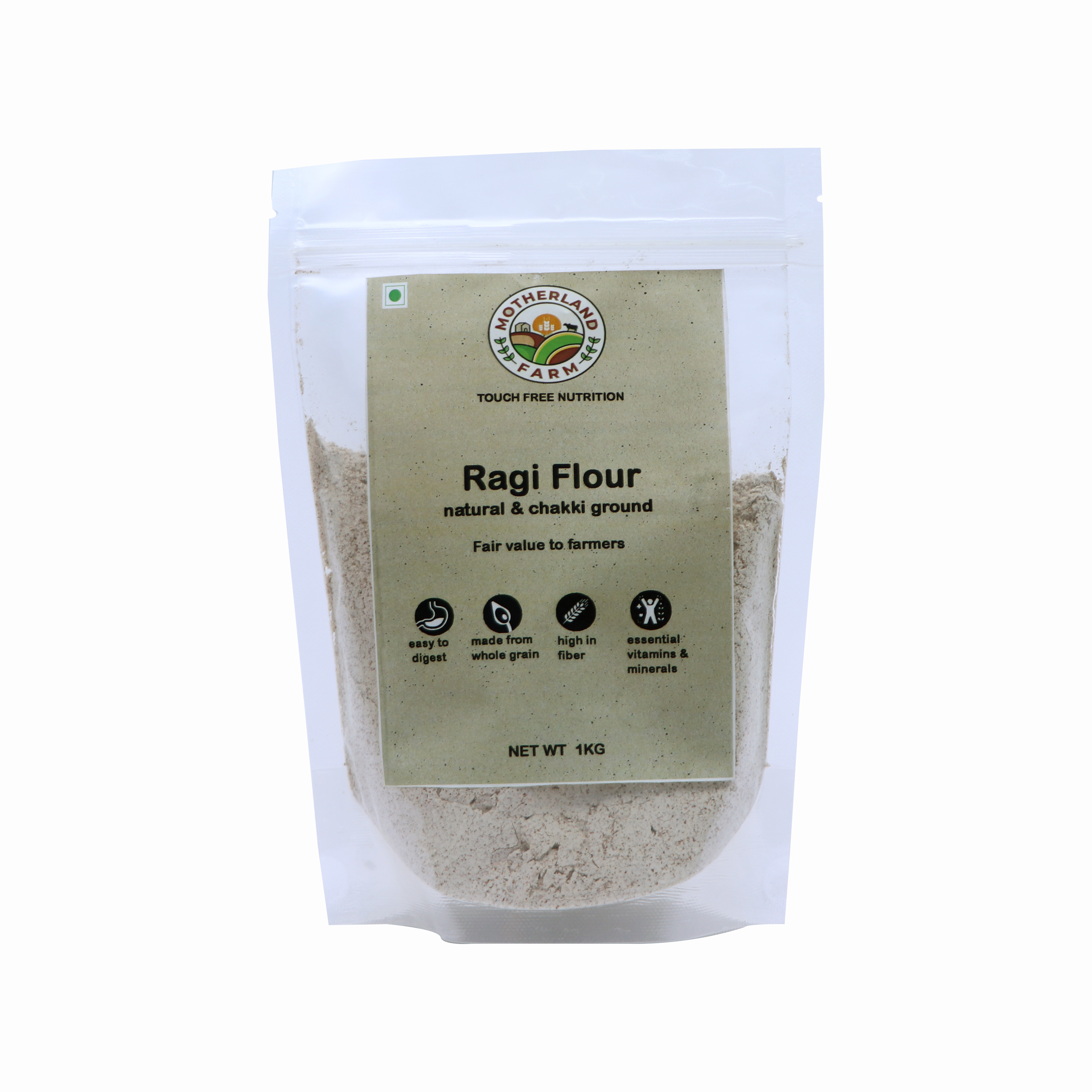
Ragi flour is finger millet powder, loaded with protein, minerals et al. Besides being healthy ragi atta has an increased bioavailability of antioxidants, iron, vitamin b12 and protein.
Many recipes can be made with ragi like bhakri or roti (flat breads), idli, vada, dosa, pudding, porridge, papad. Both ragi millet (the entire grain) or ragi flour can be used to make variety of recipes.
Nutritional ValueRagi displays a rather impressive nutritional profile, encompassing all the essential macronutrients - carbohydrates, fibers, fats and proteins, along with noteworthy levels of key micronutrients - vitamins and minerals. It has negligible levels of cholesterol and sodium, to promote heart wellness. In addition, ragi contains considerable quantities of vitamins C and E, to boost immune, skin and hair health. The B complex vitamins - thiamine, riboflavin, niacin and folic acid as well as calcium, magnesium, iron and phosphorus are also found in ample amounts in ragi flour, truly justifying its status as a wholesome breakfast cereal and a superfood.
Sorghum or jowar is the nutritious cereal which makes a healthy diet. It is traditionally cooked to make a bhakri (a round flat unleavened bread ) or as porridge for breakfast or along with other dishes.
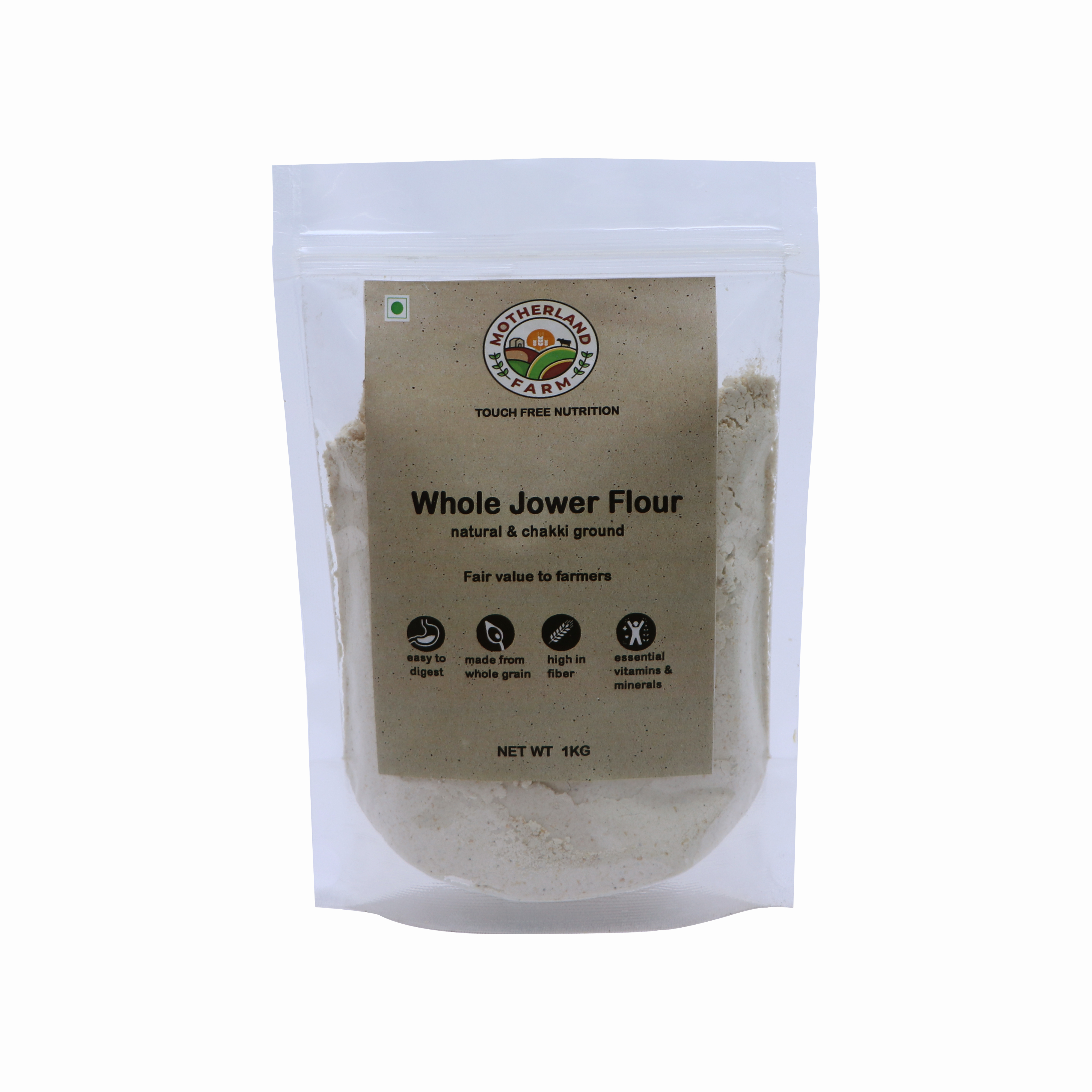
It is rich in vitamin and minerals and has many health benefits. It is gluten-free and contains a lot of dietary fibre helpful in digestion and making you feel fuller. It can be used by itself or mixed with other gluten-free flours to make delicious breads, pizza dough, cakes, pastries, etc.
Nutritional ValueJowar contains a good amount of fibre, around 48 per cent of what is required by our body on daily basis. Fibre adds bulk to the stool and thus helps it pass smoothly through the digestive tract. As jowar helps in digestion it prevents problems like gas, bloating, constipation and diarrhoea. Jowar contains magnesium, copper and calcium which helps in making bone and tissues strong. One cup of jowar contains 22 grams of protein. Protein not only gives energy to your body but it also helps in regeneration of cells.
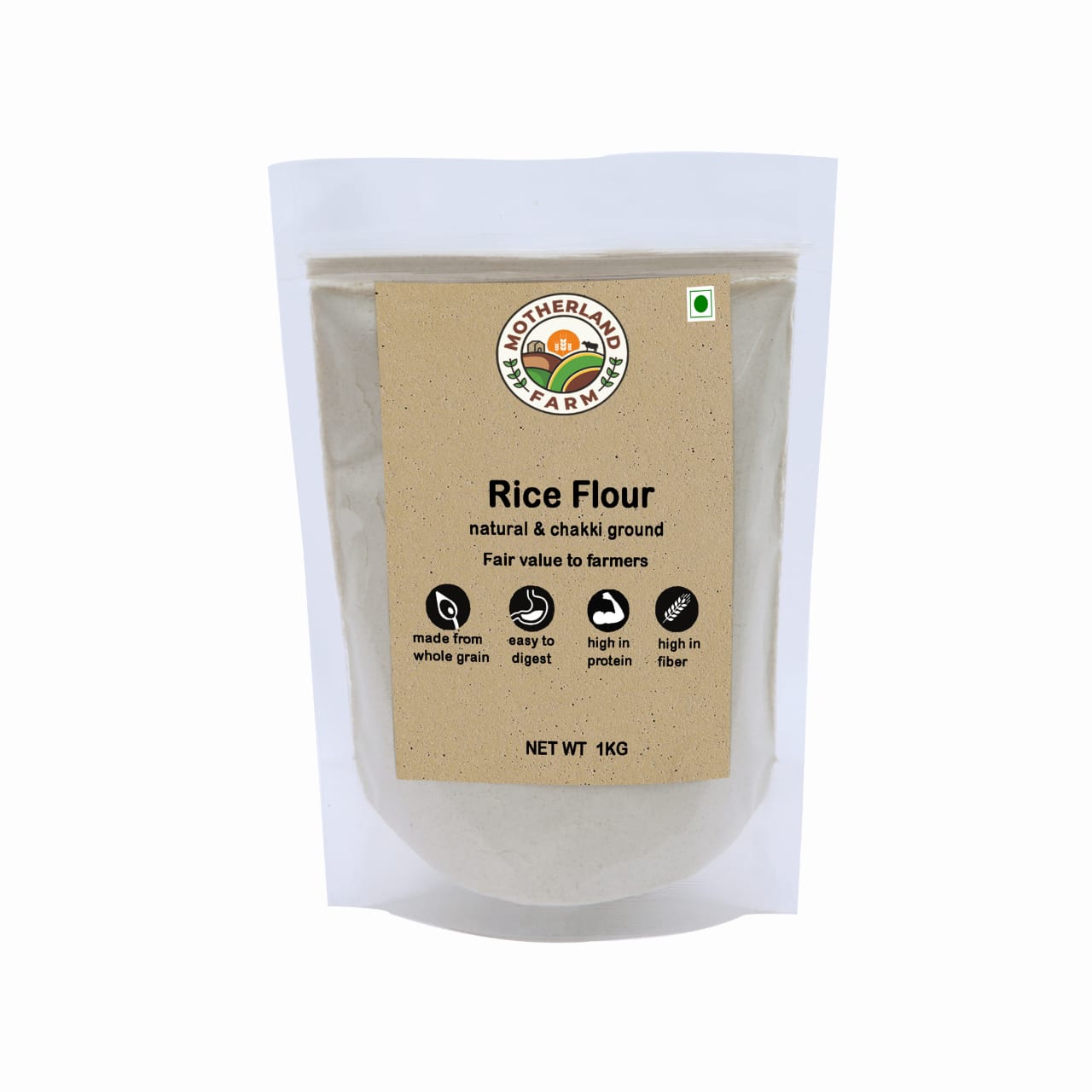
Rice flour may be made from either white rice or brown rice. To make the flour, the husk of rice or paddy is removed and raw rice is obtained, which is then ground to flour
Rice flour is made from ground raw rice and is used to make rice noodles and some pancakes, such as South Indian appams. It can be used to thicken soups and stews, as well as providing an alternative to wheat flour in cakes and biscuits. However, it's gluten-free so can't be used to make yeasted loaves of bread.
Nutritional ValueRice flour is rich in calcium, and this rice flour nutrition makes it an excellent food choice to maintain bone and skeletal health. White rice flour (100g) contains 9.2mg of Choline, which prevents the buildup of fat and cholesterol in your liver. Thus, it helps maintain your liver health.
Bajra is a traditional Hindi name for the Pennisetum glaucum crop — also known as pearl millet. It’s likewise known as dukn, cumbu, gero, sanio, kambu, babala, or bulrush millet . The grain is primarily grown in Africa and India, where it’s a major source of nutrition. However, it’s also grown and consumed in many other places around the world. Bajra refers to the edible seeds of pearl millet plants. They grow in various shades of white, yellow, gray, brown, and bluish-purple. The seeds are typically cooked as a cereal grain or sometimes finely ground and used as a flour.
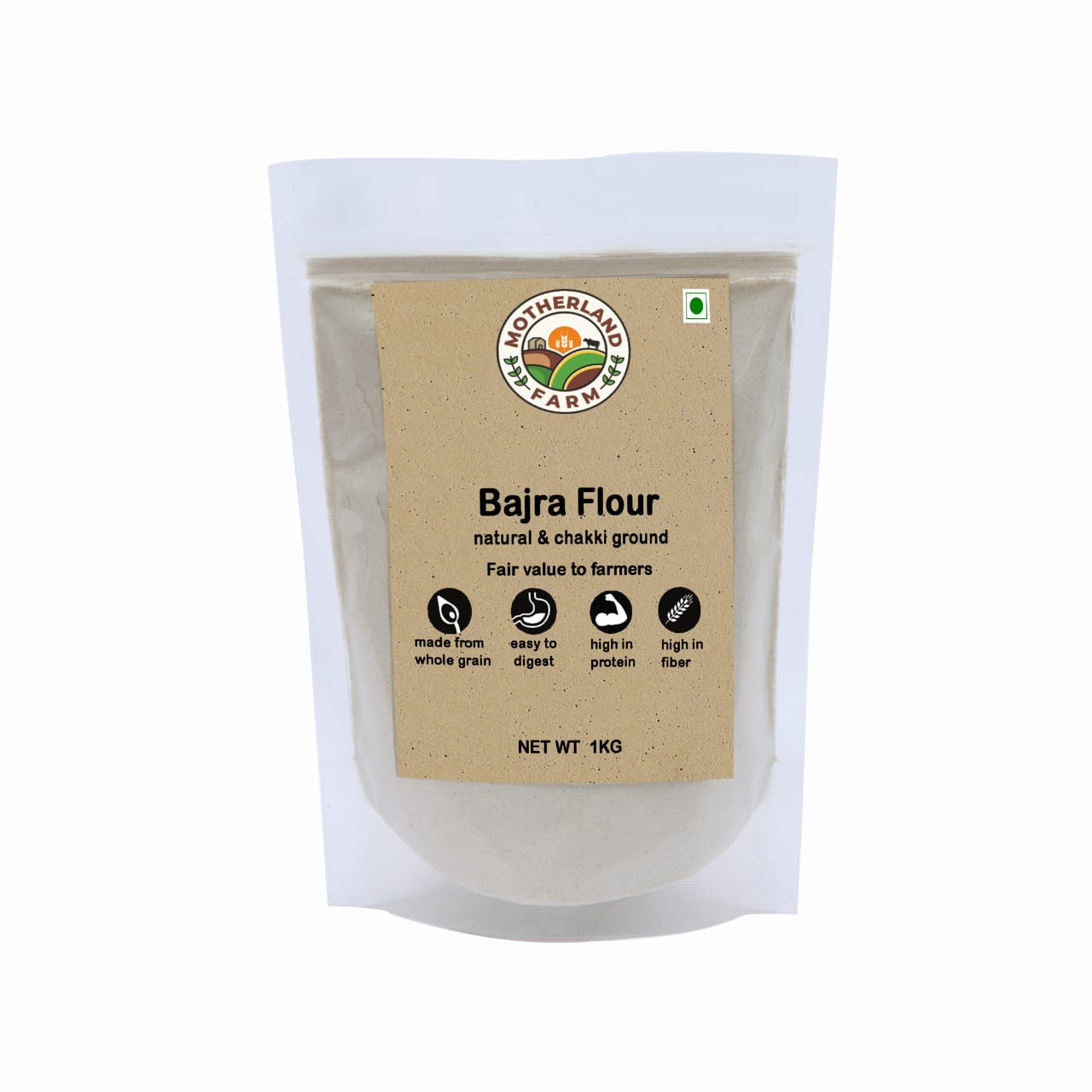
Bajra is a versatile ingredient that can be used to replace rice, quinoa, oats, and other grains in many dishes. Can be used to make roti and other types of flatbread. Yet, bajra flour is not limited to flatbreads alone. It can also be used to make cakes and pasta or as a replacement for other types of flour in many recipes.
Nutritional ValueBajra is rich in magnesium, which helps keep the heart healthy. It has potassium, which dilates blood vessels, allowing blood to flow more easily. This helps reduce overall blood pressure. Bajra also has fibre that helps reduce LDL, or bad, cholesterol.
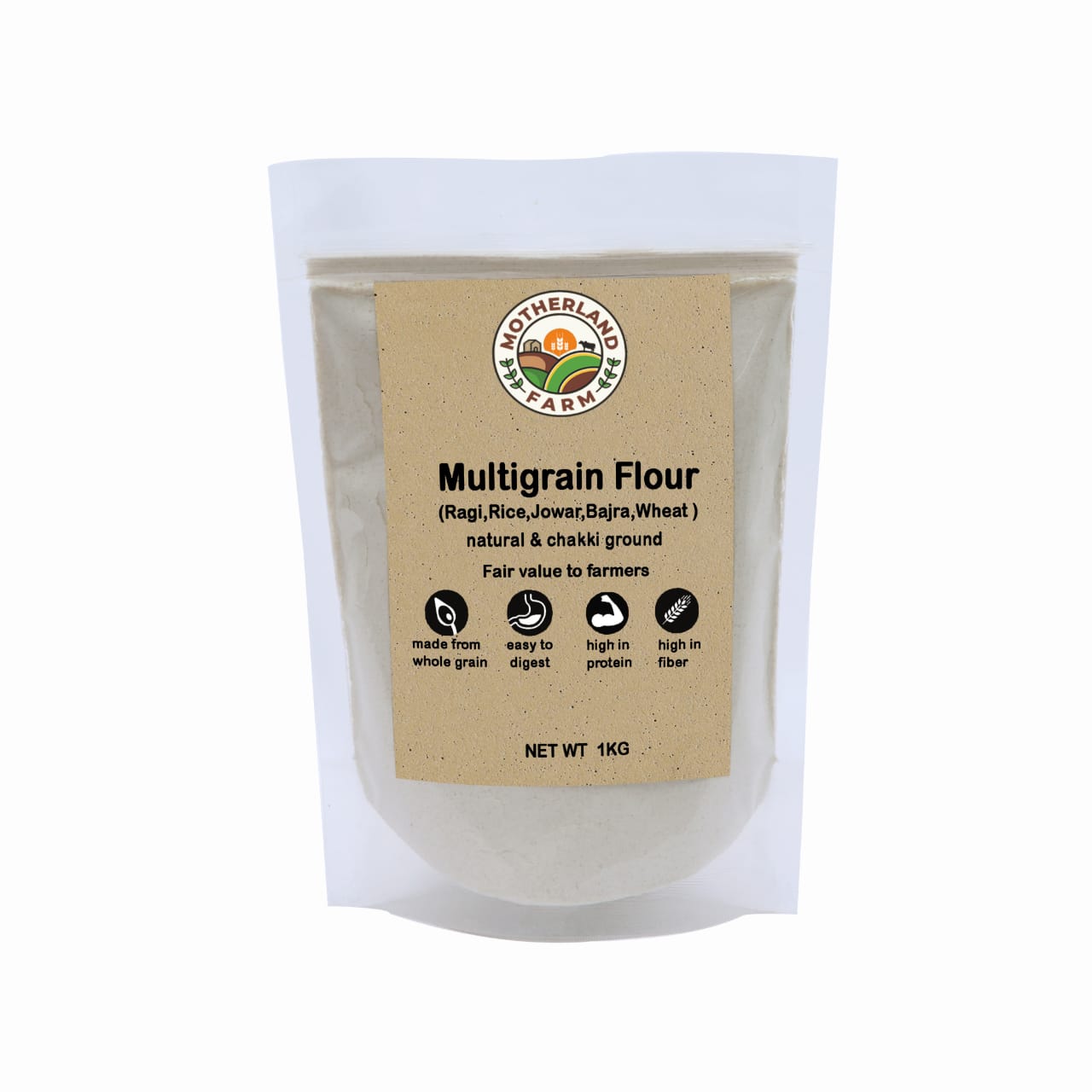
Ingredient – Ragi, Rise, Jowar, Bajari, Wheat We are make multigrain atta from 5 Grain ingredient of Ragi, Rise, Jowar, Bajari, It is high in fiber and more healthy and nutritious than single grain flour.
Many recipes can be made with multigrain flour like bhakri or roti (flat breads), idli, vada, dosa, pudding, porridge, papad. Both ragi millet (the entire grain) or ragi flour can be used to make variety of recipes. Using multigrain atta we have the opportunity to introduce different grains to our diet. It provides more nutritional value naturally than single grain flour. We’ll be able to provide the body with lots of iron calcium, and fiber, which is good for blood pressure.
Nutritional ValueMost multigrain atta varieties contain ragi which is a great source of protein. It helps in tissue building and repairs it. Therefore, it helps to keep the body healthy. As multigrain flour contains grains ragi, jowar, wheat, and millet which are highly nutritious as compared to other grains. Aids in Digestion, Improves Metabolism and Protects Immunity. Richer In Taste, Colour and Texture Due To The Blend Of Diverse Whole Grains.
Kulith i.e. Horsegram is a miracle superfood. It has a high nutritional value and has various health benefits. Kulith beans are used to make a gravy vegetable. Similarly, in Maharashtra, it’s flour is used to make a gravy of semi solid consistency, called Pithla. The process is almost similar to Besan Pithla
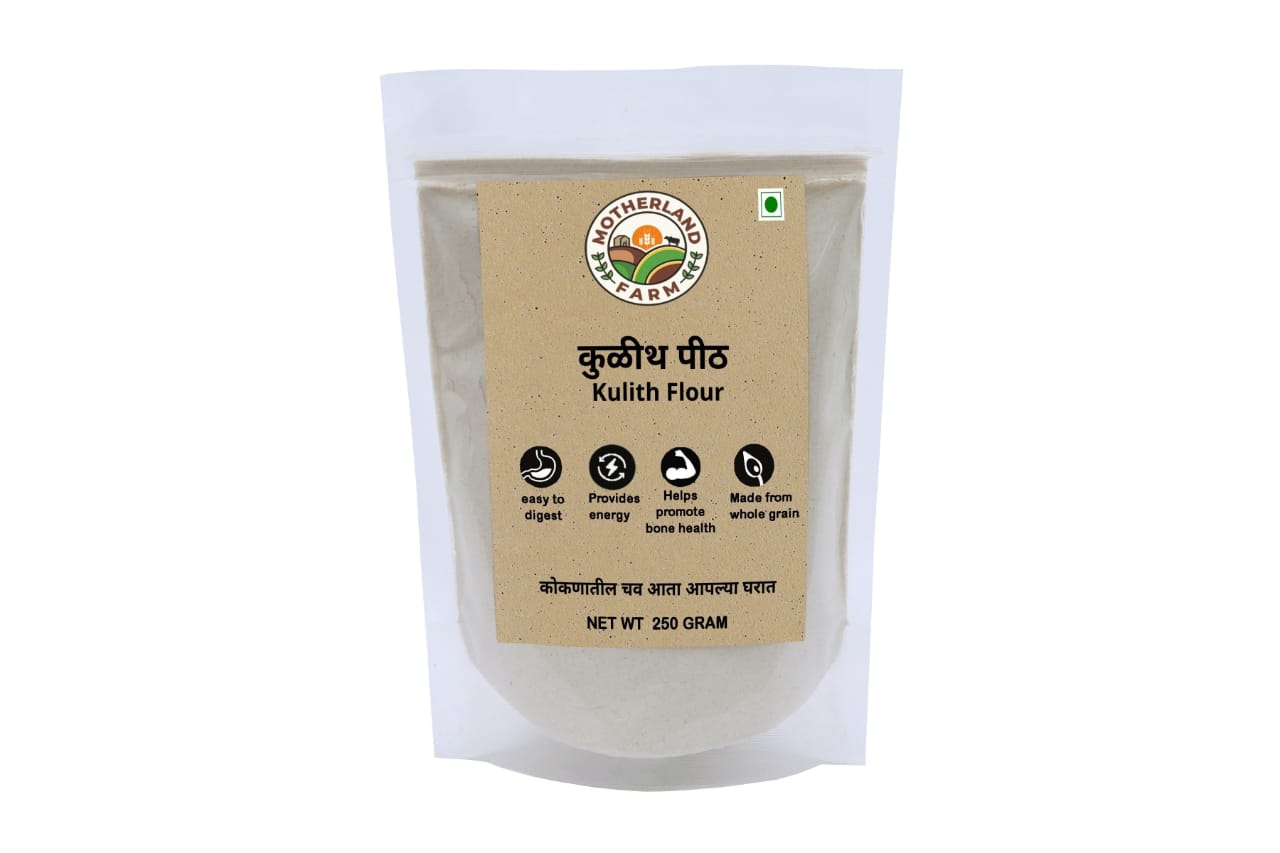
as horsegram has a distinct flavour, it makes this Pithla delicious in a different way. This is a dish to be relished specifically during winters. Kulith is said to create heat in the body and hence it is better to be avoided during summers.
Nutritional ValueKulith has folic acid and phenolic acid. These are antioxidants which can be helpful in losing weight. Also useful for kidney stones, ulcers, constipation, piles, menstrual irregularities, boosting sperm counts.
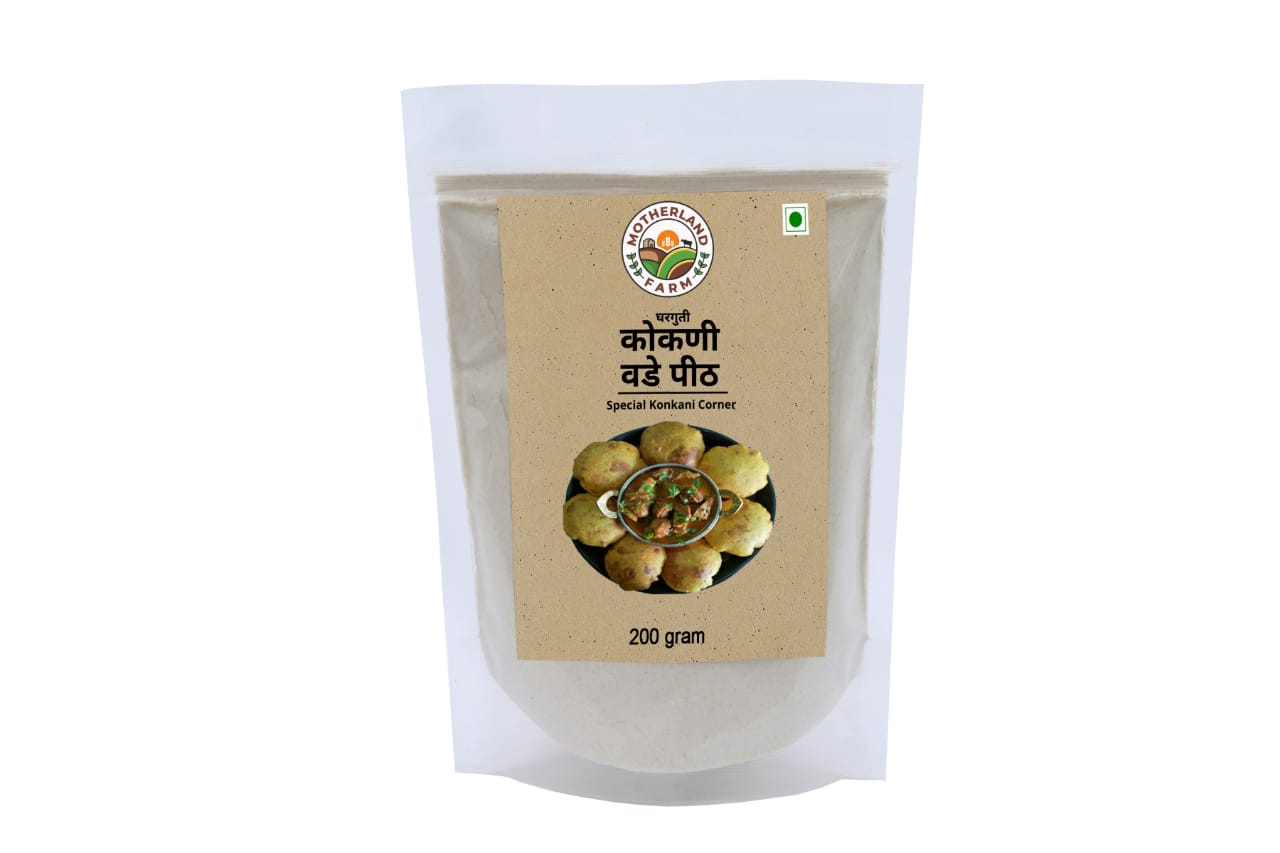
Konkani vade is one of famous dish in konkan.
Ingredient – rise, wheat, jawar, chana dal, turmeric, Is vada good for health? Source of protein: Since the black gram is rich in iron, urad dal vada is also an excellent source of protein, providing 6 grams of protein per serving. Increases immunity: Since urad dal is high on magnesium, it helps build immunity and perform normal bodily functions.
Thalipeeth is a savoury multi-grain flatbread popular in Western India, particularly Maharashtra.
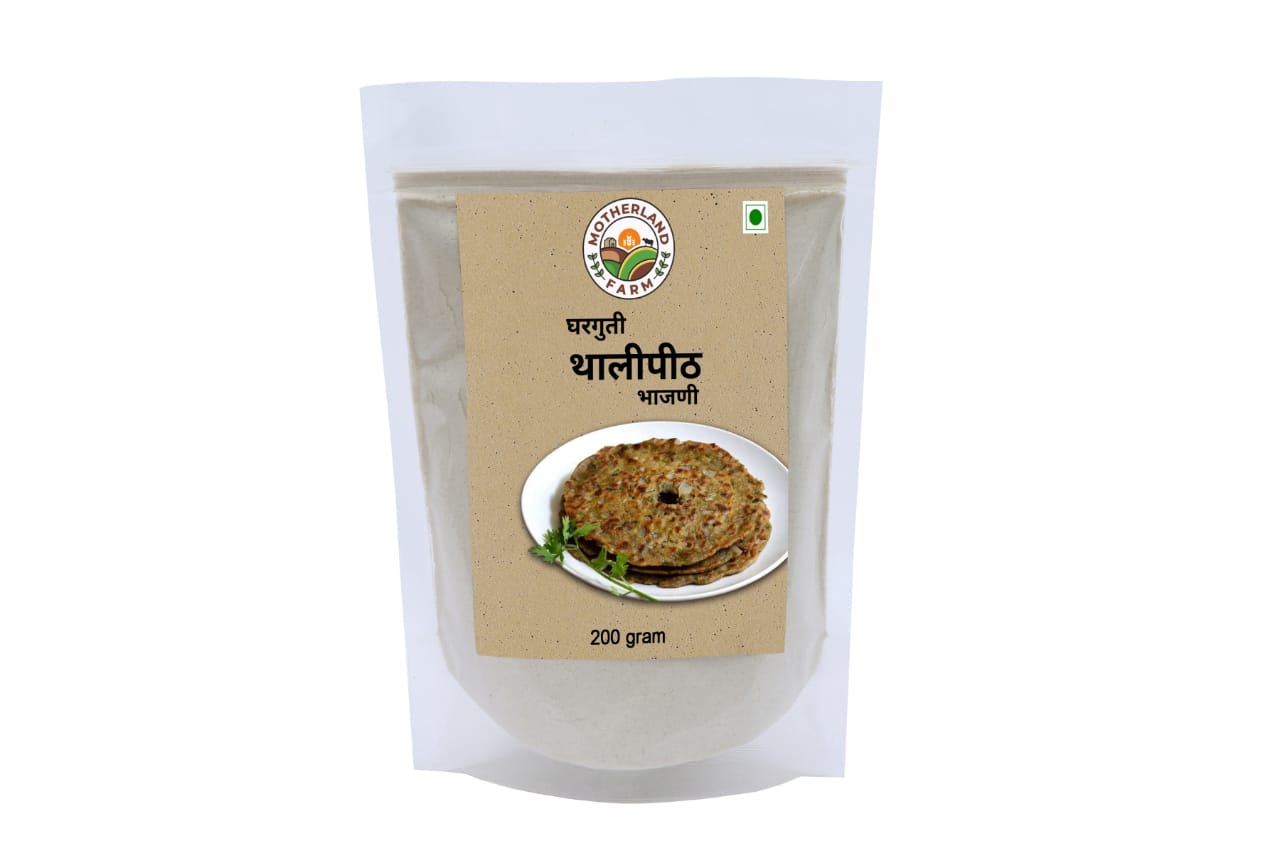
The flour for thalipeeth, called bhajanee, is prepared from roasted grains, legumes and spices. The ingredients include grains such as rice,[1] wheat, bajra, and jowar), legumes such as chana, and urad) Most commonly coriander and cumin seeds. Thalipeeth is a spiced flat bread made from multigrain flour. Thalipeeth makes for a healthy, tasty and nutritious breakfast or snack. You can even pack them in lunch box.
Jaggery is an unrefined natural sweetener. Some people consider it a superfood, because it has more vitamins and minerals and a lower sucrose content than sugar. However, jaggery is still a type of sugar, and people should consume it in moderation.
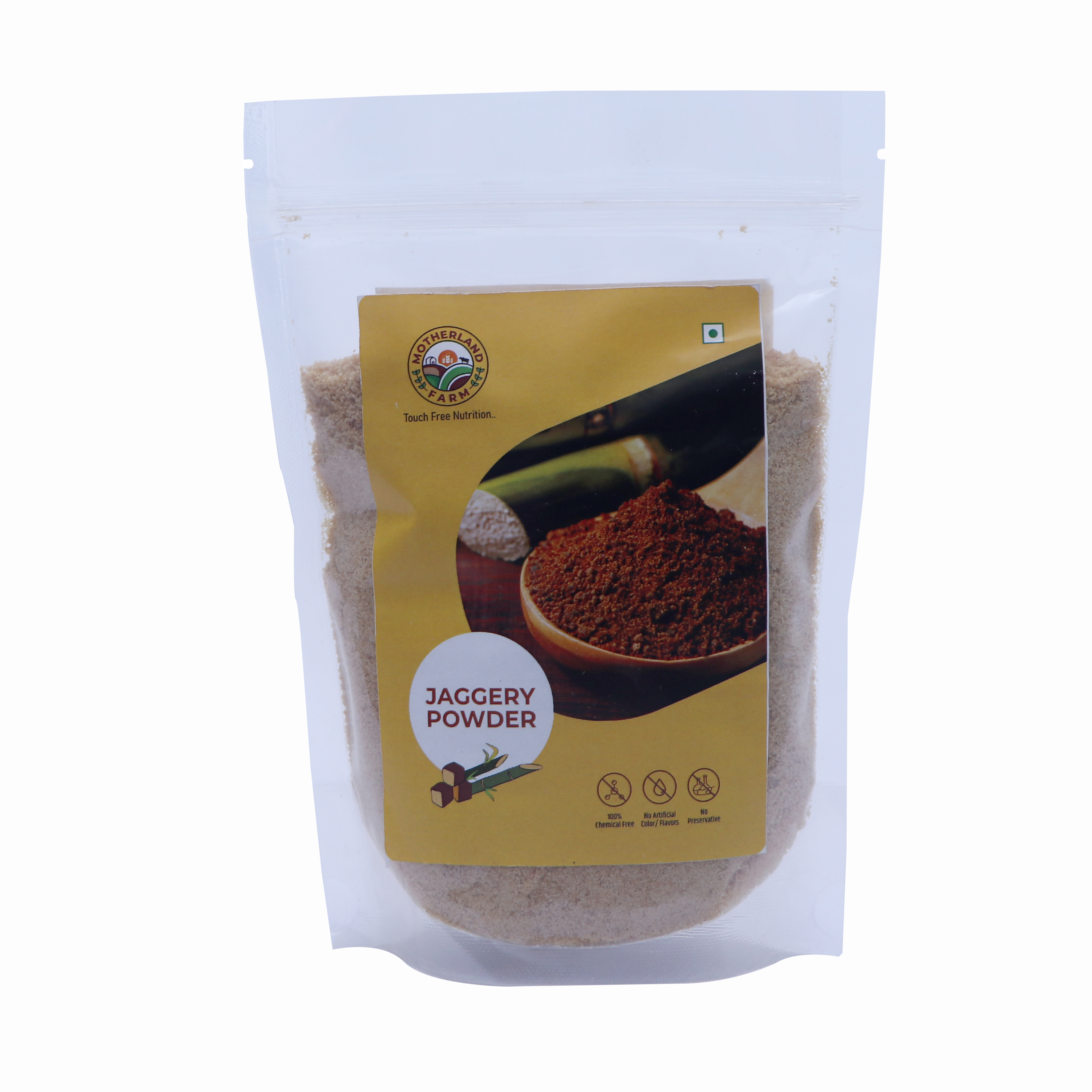
Unlike sugar, jaggery is rich in vitamins and minerals, which are crucial components of a balanced diet.
According to a 2007 literature review, there is less incidence of diabetes in areas with consistent jaggery use.
Researchers believe that the magnesium present in jaggery boosts nervous system function and that jaggery’s high iron content may protect against anemia.
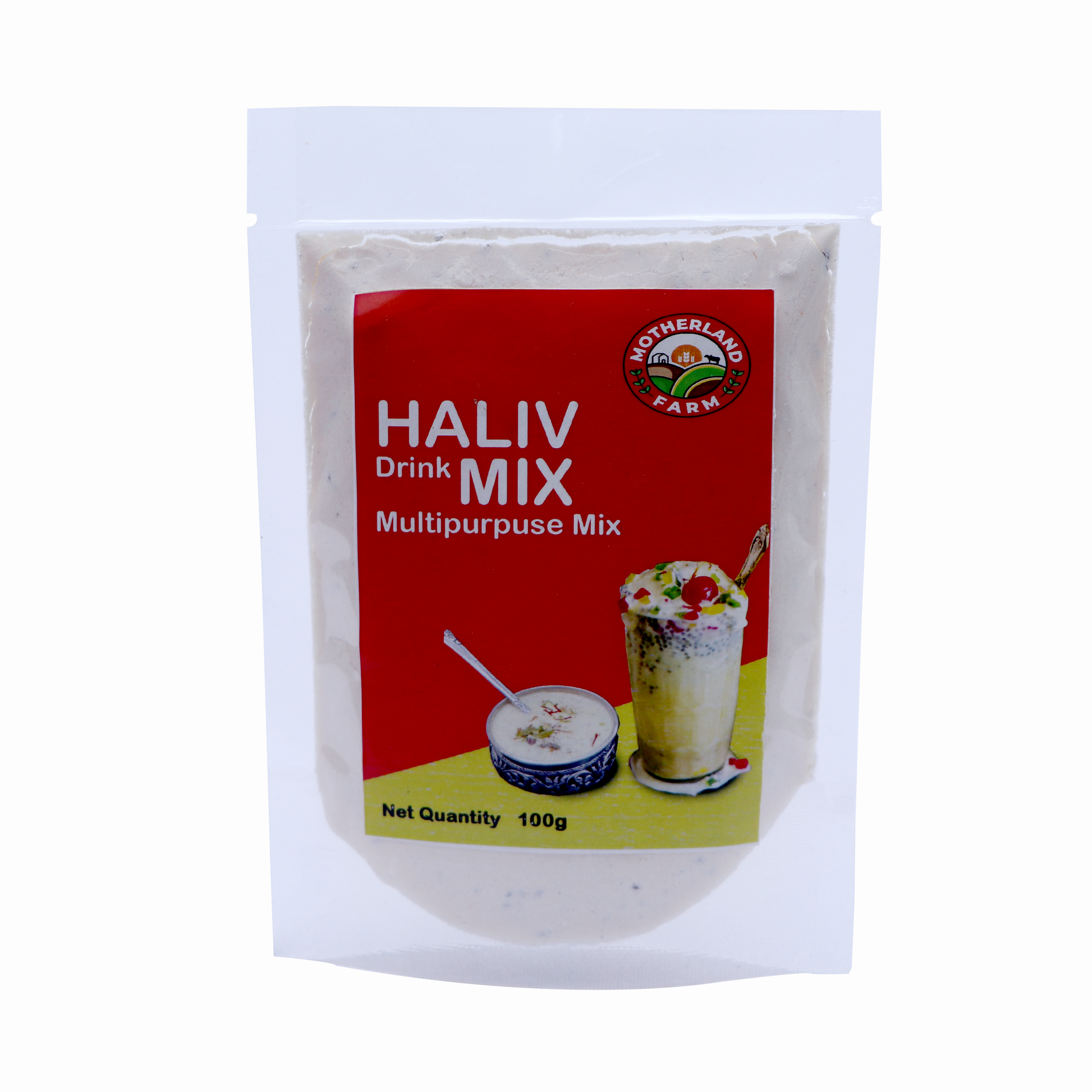
Alivachi kheer is a delicious Maharashtrian pudding made with iron and calcium rich Garden Cress seeds, sweetened milk and nuts. Aliv kheer provides warmth to the body and is a nutritious winter delicacy.
Aliv or Halim seeds boosts milk in nursing mothers hence kheer and ladoos are made with it typically for lactating mothers but people of all age can enjoy this healthy and delicious winter treat either as breakfast or as dessert. The kheer tastes equally good when served hot or chilled.
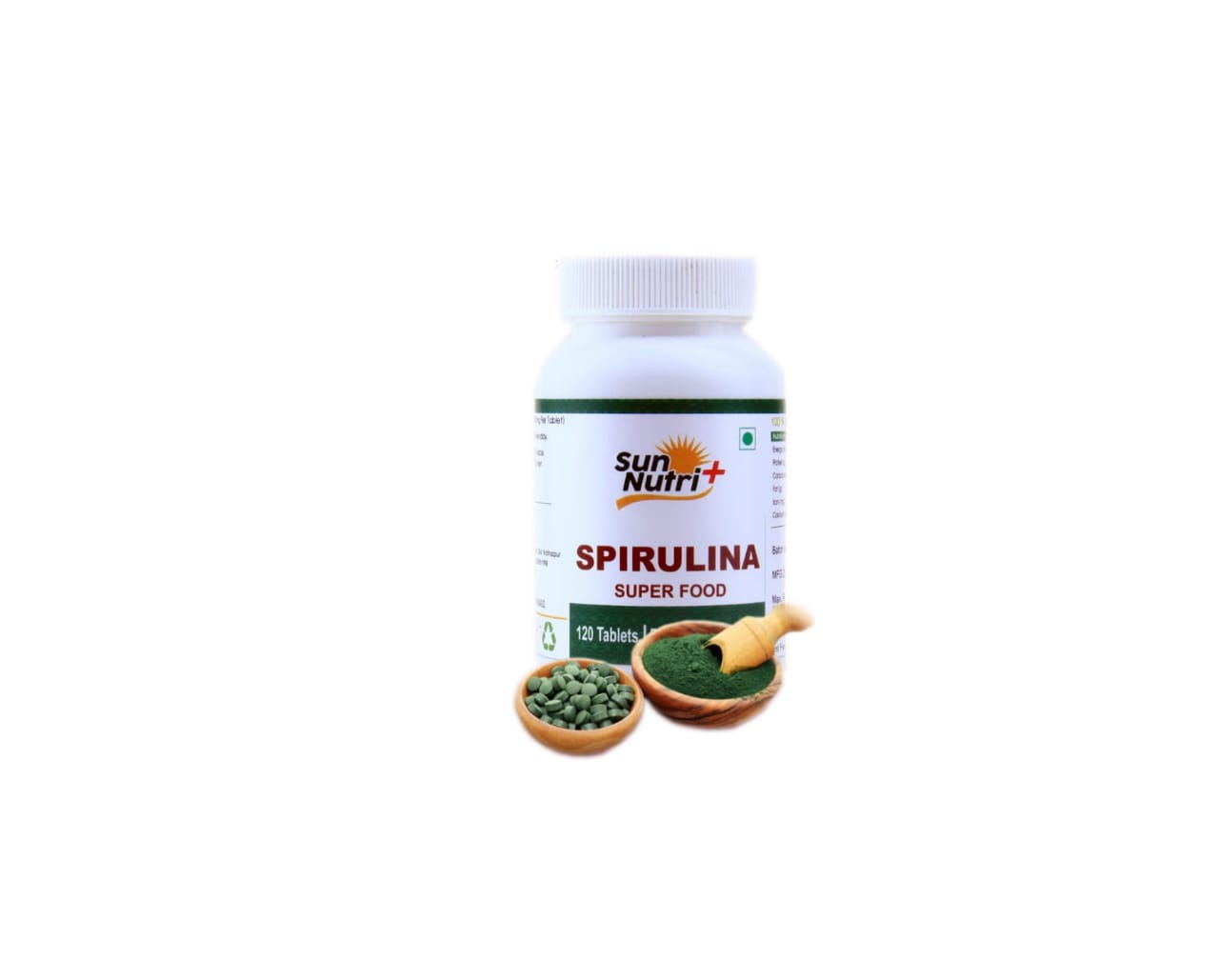
Spirulina is among the world’s most popular supplements. It is loaded with various nutrients and antioxidants that may benefit your body and brain. Spirulina is an organism that grows in both fresh and salt water. It is a type of cyanobacteria, which is a family of single-celled microbes that are often referred to as blue-green algae. Just like plants, cyanobacteria can produce energy from sunlight via a process called photosynthesis. Spirulina was consumed by the ancient Aztecs but became popular again when NASA proposed that it could be grown in space for use by astronauts . A standard daily dose of spirulina is 1–3 grams, but doses of up to 10 grams per day have been used effectively.This tiny alga is packed with nutrients. A single tablespoon (7 grams) of dried spirulina powder contains.
The moringa tree is native to the south of the Himalayan Mountains in northern India & grown around the world. It is widely used as food & medicine. For thousands of years the ancient Egyptians, Greeks & Romans grew moringa trees. In addition to calcium, iron & potassium, moringa leaves contain several important vitamins:
Moringa powder can be used as an antiseptic to sterilize contaminated surfaces. It is effective against a wide range of bacteria and fungi, including those that cause gastric ulcers and gastric cancer.
Wheatgrass is packed with a powerful combination of nutrients & this makes it extremely useful to your health. It has many therapeutic benefits and is known as complete nourishment.Its extensive combination of vitamins and nutrients may make wheatgrass an exceptional choice to enhance your well-being. Wheatgrass has antioxidant, antibacterial, and anti-inflammatory properties.
It contains: Iron Calcium Enzymes Magnesium Phytonutrients 17 amino acids Vitamins A, C, E, K, and B complex Chlorophyll Proteins
Sea buckthorn is a shrub native to China and areas of Europe. It contains many medicinal compounds, as well as nutrients that include: Vitamins Amino acids, Fatty acids, Minerals.
The leaves, flowers, seeds, and berries of sea buckthorn are used in teas, oils, or concentrates for a wide variety of health issues.